Deck Terminology & Building Glossary

We've broken down and visually explained key deck-building terms, covering everything from decking and railing to fasteners and framing to make the deck-building process as easy as possible.

Jump To Section
  • A
  • B
  • C
  • D
  • E
  • F
  • G
  • H
  • I
  • J
  • K
  • L
  • M
  • N
  • O
  • P
  • Q
  • R
  • S
  • T
  • U
  • V
  • W
  • X
  • Y
  • Z
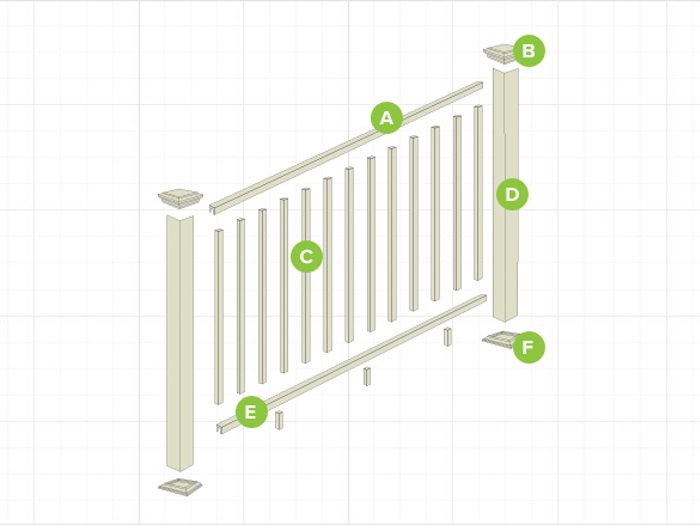
This image shows a labeled diagram of a fence section with six main parts marked A through F. The illustration highlights the structural elements, including posts, rails, and pickets, in a neutral color palette. The background features a grid pattern, and each component is clearly identified with a green circle and white letter. No visible text or numbers other than the labels A, B, C, D, E, and F are present.
Balusters
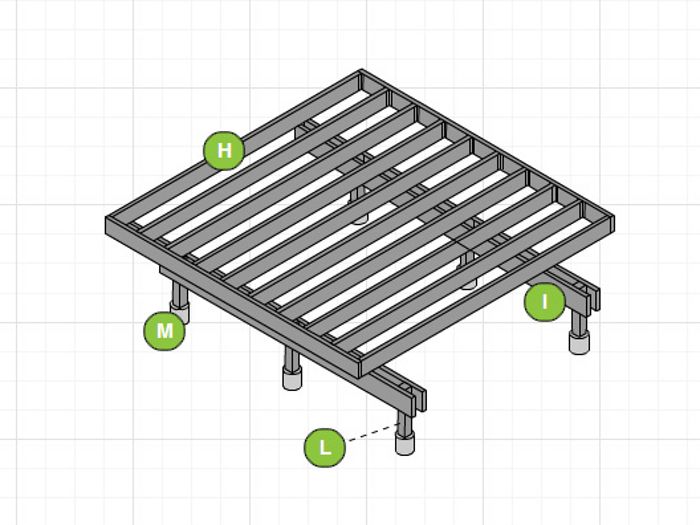
This image shows a technical diagram of a metal bed frame structure. The frame is depicted from an angled top-down view, with slats and support legs clearly visible. Four parts are labeled with green circles containing the letters H, I, L, and M. The background features a grid pattern, emphasizing the instructional and assembly context.
Beam

Supported by posts, the beam is the horizontal structural component that supports the joists. See component I in the diagram.
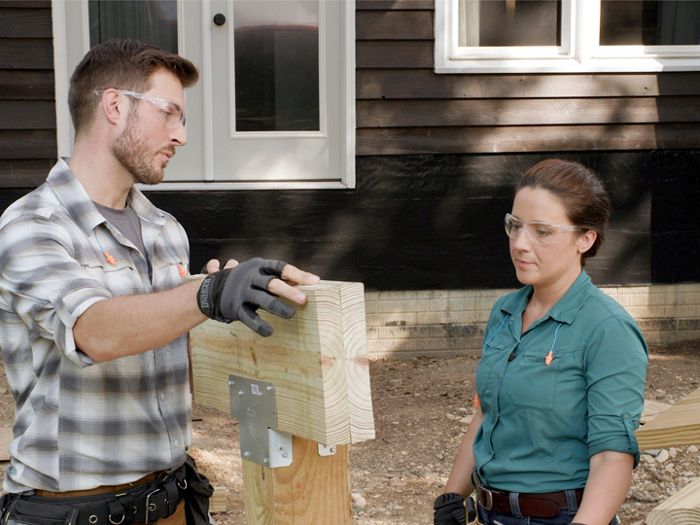
This image shows a technical diagram of a metal bed frame structure. The frame is depicted from an angled top-down view, with slats and support legs clearly visible. Four parts are labeled with green circles containing the letters H, I, L, and M. The background features a grid pattern, emphasizing the instructional and assembly context.
Beam

Supported by posts, the beam is the horizontal structural component that supports the joists. See component I in the diagram.

Beam Blocking

Beam blocking is made with scrap pieces of joist material. These blocking pieces are cut to fit in between the joists and are installed directly over a drop beam. They keep the joists from rolling on top of the beam.

This image shows a labeled diagram of a fence section with six main parts marked A through F. The illustration highlights the structural elements, including posts, rails, and pickets, in a neutral color palette. The background features a grid pattern, and each component is clearly identified with a green circle and white letter. No visible text or numbers other than the labels A, B, C, D, E, and F are present.
Bottom Rail

A bottom rail is a horizontal rail attached to the bottom of the balusters and between the posts. See component E in the diagram.
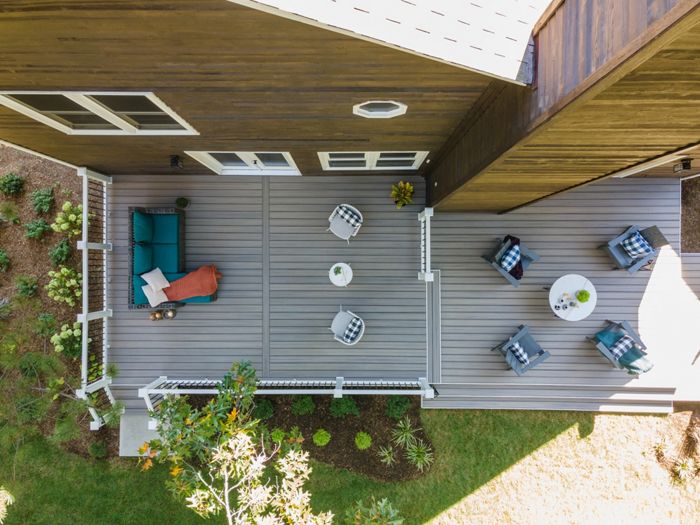
This image shows an overhead perspective of a spacious backyard deck attached to a wooden house. The deck features multiple seating areas with cushioned chairs, a sofa, and small round tables, one of which has a book and a drink placed on it. A single person is relaxing on the sofa with a blanket, surrounded by greenery and landscaped garden beds. The setting is bright and inviting, with a neutral color palette and a peaceful outdoor atmosphere.
Breaker Board

A breaker board is a piece of decking that runs down the middle of the deck to separate the decking planks. This is commonly used when the deck is wider than the deck boards are long.

The image features the words 'Trex Academy' prominently displayed in a clean, modern font. The text is centered on a plain white background, with 'Trex' in bold and 'Academy' in a lighter style. Trademark symbols are visible next to both words. No additional visuals or people are present.
Bridging

The term "bridging" refers to building a brace or an arrangement of braces fixed between floor or roof joists to keep them in place.
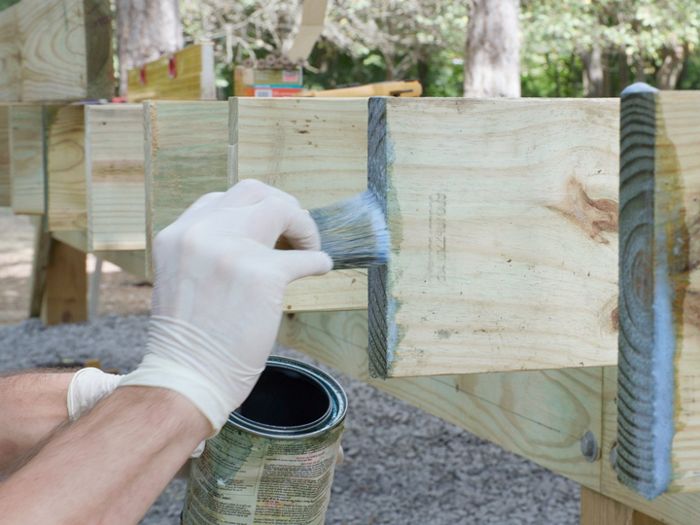
A person wearing white gloves is applying a clear sealant or preservative to the joints of a wooden deck frame using a brush. The setting appears to be outdoors, surrounded by trees and gravel, suggesting a construction or DIY project. The wood grain and brush strokes are clearly visible, emphasizing the protective treatment process. No visible text or numbers are present in the image.
Cantilever

A cantilever is a rigid structural element that extends horizontally and is supported at only one end. Typically it extends from a flat vertical surface such as a wall, to which it must be firmly attached. Like other structural elements, a cantilever can be formed as a beam, plate, truss, or slab. For example, joists can cantilever past a beam and a beam can cantilever past a post.

This image shows a labeled diagram of a fence section with six main parts marked A through F. The illustration highlights the structural elements, including posts, rails, and pickets, in a neutral color palette. The background features a grid pattern, and each component is clearly identified with a green circle and white letter. No visible text or numbers other than the labels A, B, C, D, E, and F are present.
Cap rail

A cap rail is the top piece of a guard rail that runs between the posts and attaches the railing infill and balusters together. See component A in the diagram.
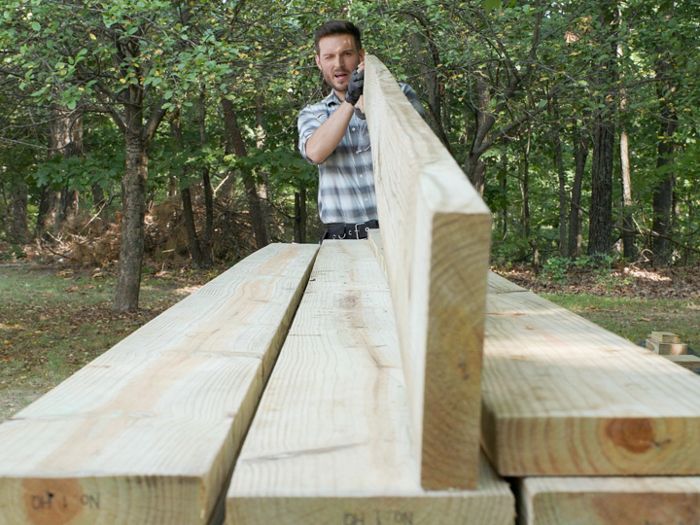
A person stands behind a stack of large wooden boards, appearing to inspect or align the lumber. The scene is set outdoors with a backdrop of dense green trees and natural light. The individual is wearing a plaid shirt, and the lumber is arranged in parallel lines, emphasizing the wood grain and texture. No visible text or numbers are present on the boards.
Crown

A crown is a bow in the lumber on one side. We recommend installing a joist board with the crown facing up so it will lay flat over time. Also, this gives you an oppirtunity to plane the crown if needed. We do not recommending installing a crown facing down as it will cause a bow in the deck that will likely worsen over time.

The image features the words 'Trex Academy' prominently displayed in a clean, modern font. The text is centered on a plain white background, with 'Trex' in bold and 'Academy' in a lighter style. Trademark symbols are visible next to both words. No additional visuals or people are present.
Cup

A cup is a bow in the side of a piece of lumber.

A contemporary outdoor deck features wood-textured flooring and a stylish seating area with a turquoise cushion. The setting overlooks a cityscape with palm trees, framed by a dramatic sunset sky. The right side of the image highlights a close-up of the deck's diagonal plank pattern, emphasizing the material's texture and color.
Decking

The term "decking" refers to the planks used as the floor of the deck project.
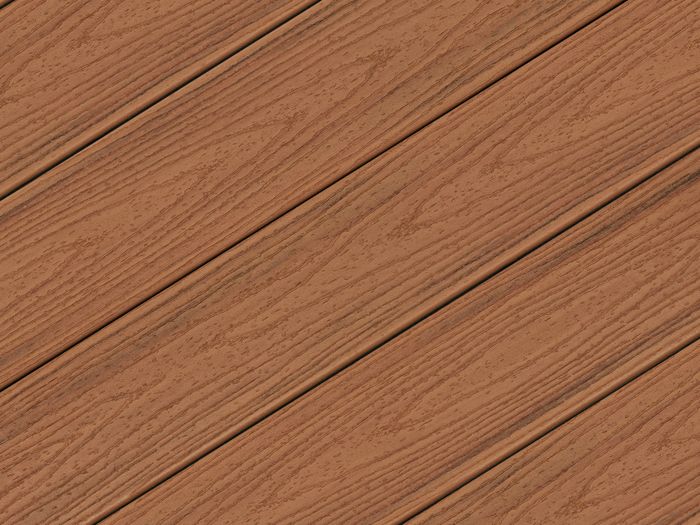
The image features a seamless pattern of light brown wooden planks arranged diagonally. The surface displays a natural wood grain texture, giving a realistic and organic appearance. The color palette is warm and earthy, suitable for backgrounds or design projects. No visible text, numbers, or logos are present in the image.
Diagonal Decking

The term "diagonal decking" refers to decking that is installed at an angle to the building. While most diagonal decking is installed at a 45 degree angle, it can be installed at other angles as well.
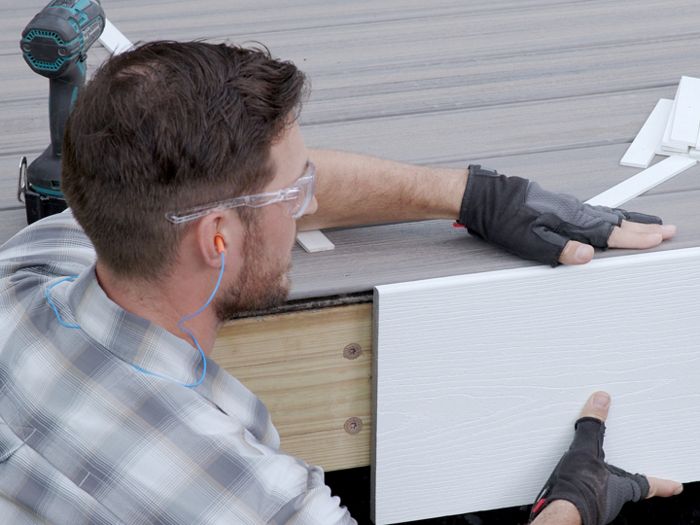
Fascia

Fascia is a product that goes around the outside edge of the deck. It gives the sides and front of the deck a finished appearance. Typcially, fascia is a wide product to cover the frame board.
A person wearing gloves and safety glasses is installing a white textured panel onto a wooden deck frame. The setting appears to be an outdoor construction or renovation project, with power tools and fasteners visible on the deck surface. The worker is focused on aligning the panel, and the scene includes additional white panels and screws. The overall mood is industrious and practical, with a neutral color palette dominated by wood and white tones.
Flush

The term "flush" refers to when something is even or level with a surface, forming the same plane. Example: The window frame is flush with the wall.

An alternate definition for the term "flush" is having direct contact or being immediately adjacent with something. Example: The table was flush against the wall.

This image shows a technical diagram of a metal bed frame structure. The frame is depicted from an angled top-down view, with slats and support legs clearly visible. Four parts are labeled with green circles containing the letters H, I, L, and M. The background features a grid pattern, emphasizing the instructional and assembly context.
Footing

Footings are a very important component of deck construction because they provide the solid foundation that will support your deck. Your deck's design will determine how live and dead loads are transferred from different sections of the deck to concentrated points of contact with the ground. See component L in the diagram.
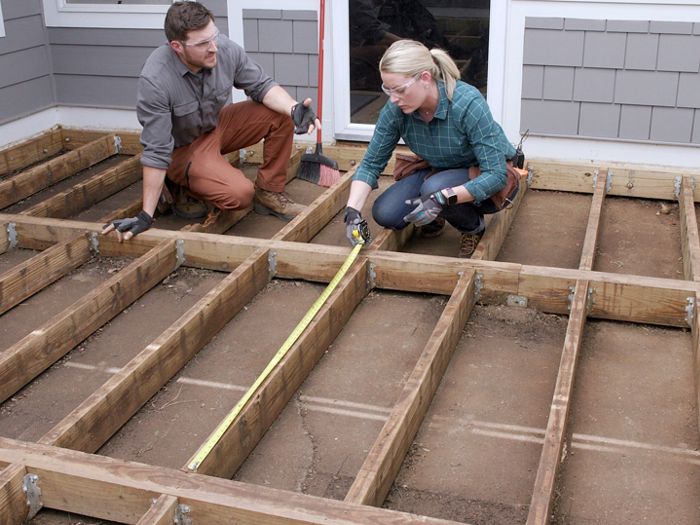
Two adults are working together on the construction of a wooden deck frame. They are kneeling on the ground, using a yellow tape measure to check the distance between the beams. The setting appears to be a residential backyard next to a house with gray siding and white trim. The scene conveys a practical, hands-on mood with a neutral color palette and visible construction tools.
Framing

The term "framing" refers to the structural components of the deck including the beam, joist, ledger and rim plates.
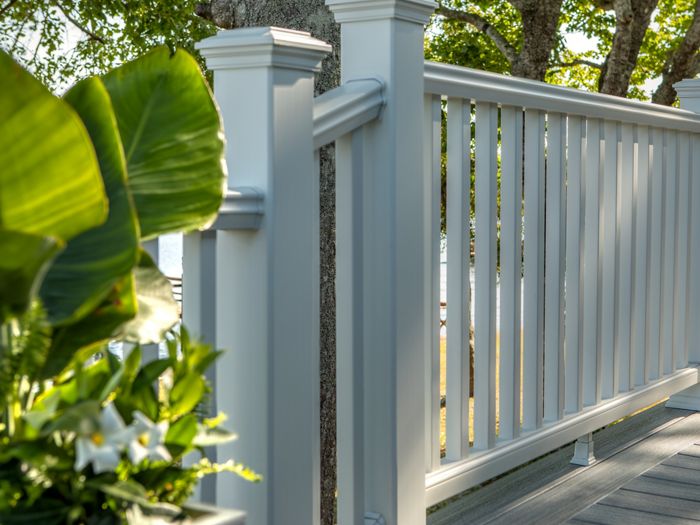
A white vinyl deck railing is featured prominently in this sunlit outdoor scene. The railing is installed on a wooden deck, surrounded by lush green foliage and large trees. Sunlight filters through the leaves, casting soft shadows and creating a serene, inviting atmosphere. Decorative post caps add a touch of elegance to the railing design. No visible text or numbers are present in the image.
Guardrail

A guardrail is a barrier to prevent people falling from decks, stairs and balconies of buildings.
A person uses a power drill to fasten a metal bracket onto a light-colored wooden beam. The scene appears to be part of a construction or carpentry project, possibly outdoors, as gravel is visible in the background. The individual is wearing fingerless work gloves and is holding the wood steady. The image highlights the use of tools and hardware in structural assembly.
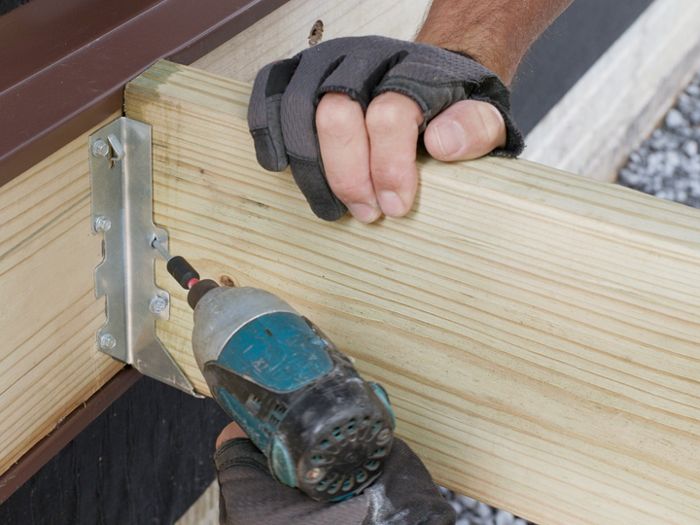
HUC hanger

HUC hangers are inverted flange hangers. The flanges are inside so they are behind the joist instead of to the side of the joist. They often used when space is limited and on the outside rim joist of the deck.
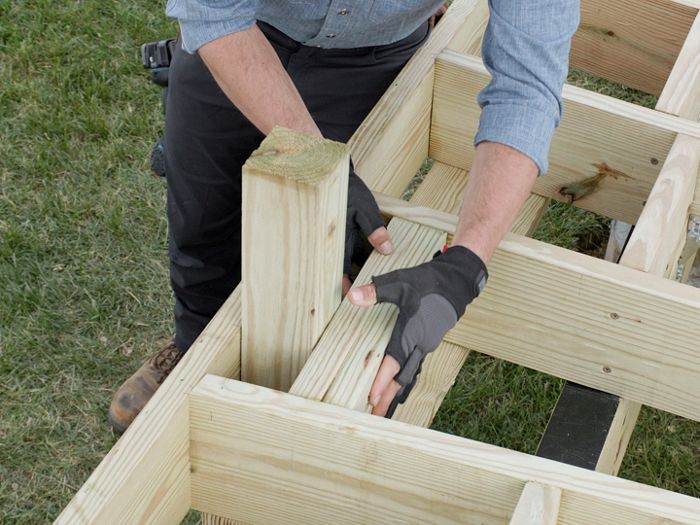
A person wearing gloves and a blue shirt is constructing a wooden deck frame on a grassy lawn. The image focuses on hands positioning a beam into place among several wooden joists. The setting suggests an outdoor DIY or construction project, with visible wood grain and structural details. No visible text or numbers are present in the image.
Handrail Blocking

Handrail blocking refers to the shorter pieces of joists cut and attached to the sides of the handrail post to stabilize the post.

This image shows a technical diagram of a metal bed frame structure. The frame is depicted from an angled top-down view, with slats and support legs clearly visible. Four parts are labeled with green circles containing the letters H, I, L, and M. The background features a grid pattern, emphasizing the instructional and assembly context.
Joist

A joist is the length of timber or steel supporting part of the structure of a building, typically arranged in parallel series to support a floor or ceiling. See component H in the diagram.
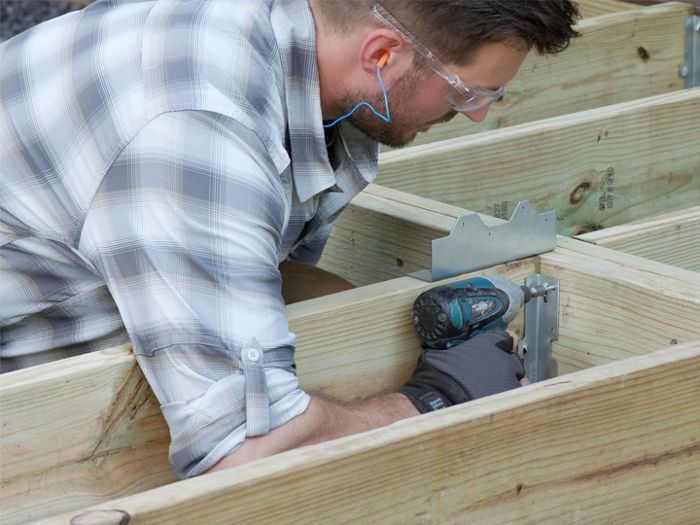
An adult is working on constructing a wooden deck frame, using a power drill to secure metal brackets to the timber beams. The setting appears to be an outdoor construction site, with visible wood grain and metal fasteners. The person is wearing a plaid shirt and gloves, focusing on precise assembly. The image highlights hands-on craftsmanship and home improvement activity.
Joist hanger

A joist hanger is a metal bracket that holds the joist up. While this has many potential use cases, it is primarily used for ledger attachment.

The image features the words 'Trex Academy' prominently displayed in a clean, modern font. The text is centered on a plain white background, with 'Trex' in bold and 'Academy' in a lighter style. Trademark symbols are visible next to both words. No additional visuals or people are present.
L Bracket

An L Bracket is an angled bracket use to attach joists to ledger, beams, rim joist. They can also be used in blocking to attach handrail. These are very versatile and can be used in many places.
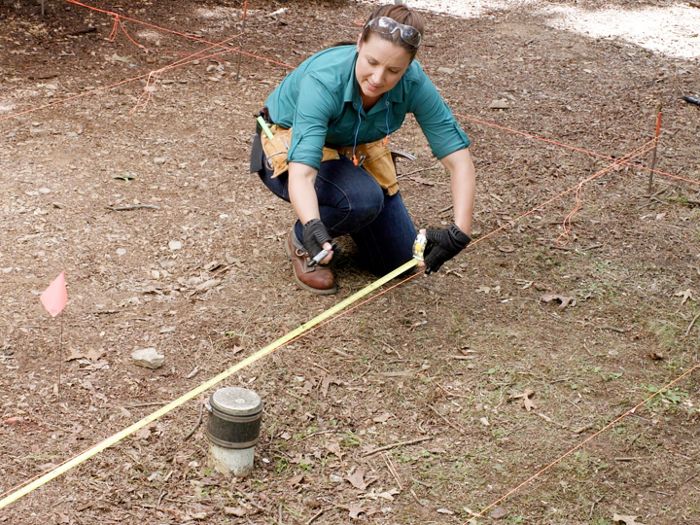
A person is kneeling on the ground, using a measuring tape to determine distance at an outdoor worksite. The individual is wearing gloves and a tool belt, indicating involvement in construction or surveying. Orange string lines and a small utility marker are visible, suggesting site layout or preparation. The setting is a dirt and grass area with some scattered leaves and tools.
Layout

The term "layout" refers to the marking of the ledger for joist and blocking placement on the ledger board.
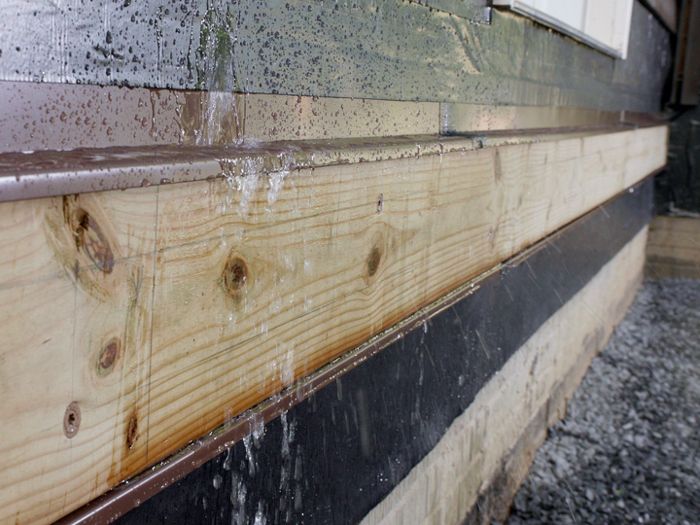
Close-up view of water leaking down the side of a house, highlighting moisture on a horizontal wooden board beneath metal flashing. The setting appears to be an exterior wall with visible water stains and droplets, suggesting potential issues with waterproofing or drainage. The image emphasizes construction materials and the effects of water exposure.
Ledger Board

A ledger board is a horizontal lumber beam attached to an existing wall and used to tie in construction elements such as porch roofs and decks.

The image features the words 'Trex Academy' prominently displayed in a clean, modern font. The text is centered on a plain white background, with 'Trex' in bold and 'Academy' in a lighter style. Trademark symbols are visible next to both words. No additional visuals or people are present.
Mid Span Blocking

Mid span blocking is made with a scrap piece of joist material.
This blocking will be attached at the middle point of the frame between the house and the beam of the deck. They are attached to each joist to prevent the joists from rolling and to stiffen the frame of the deck.
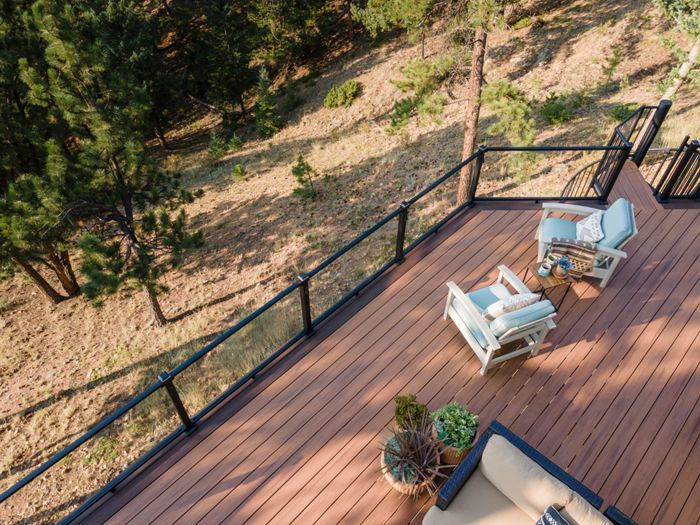
Picture Frame

The term "picture frame" refers to a decking pattern with a border around the outside edge of the deck.

The image features the words 'Trex Academy' prominently displayed in a clean, modern font. The text is centered on a plain white background, with 'Trex' in bold and 'Academy' in a lighter style. Trademark symbols are visible next to both words. No additional visuals or people are present.
Piers

Deck piers support the beams that create the joist spans for a deck. They are the foundation of the deck. If they are installed incorrectly, it will result in failure of part or the entire deck. Unlike a concrete footing that distributes the weight of the structure over a large area, piers concentrate the load to a small area.
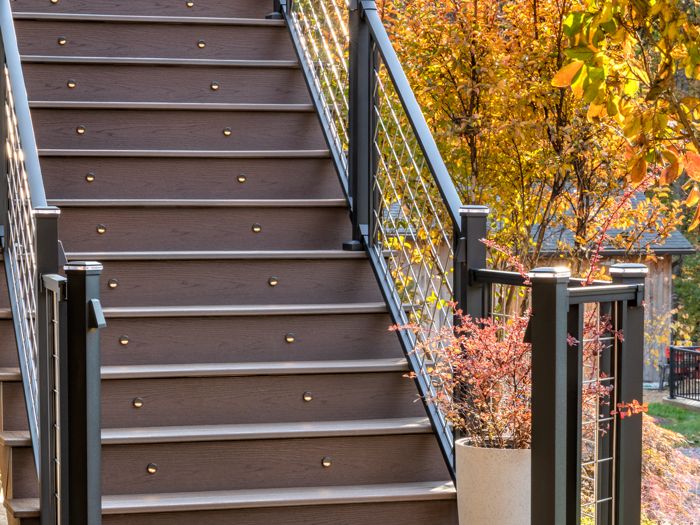
Platform/Landing

A plaform or landing refers to a level floor or platform constructed at a location where the direction of the stairs changes, between flights of the stair, or at the top of the stair.
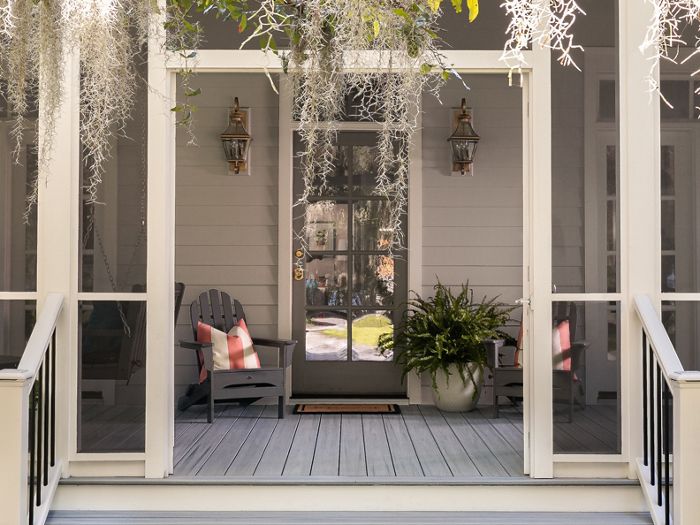
A cozy screened porch features two Adirondack chairs with plaid pillows, set against a backdrop of light gray siding and glass doors. Hanging Spanish moss and a large potted plant add natural charm to the entryway. The porch is accented by classic lantern-style wall lights and a welcoming doormat, creating a serene and inviting outdoor space.
Porch

A porch is a covered shelter projecting in front of the entrance of a building.

This image shows a labeled diagram of a fence section with six main parts marked A through F. The illustration highlights the structural elements, including posts, rails, and pickets, in a neutral color palette. The background features a grid pattern, and each component is clearly identified with a green circle and white letter. No visible text or numbers other than the labels A, B, C, D, E, and F are present.
Post Cap

A post cap is a cover placed on top of each post as a decorative finish that also protects a post against the elements. See component B in the diagram.

This image shows a labeled diagram of a fence section with six main parts marked A through F. The illustration highlights the structural elements, including posts, rails, and pickets, in a neutral color palette. The background features a grid pattern, and each component is clearly identified with a green circle and white letter. No visible text or numbers other than the labels A, B, C, D, E, and F are present.
Post Skirt

A post skirt is a finishing piece at the base of the post that covers any cuts where the decking and railing meet. Typically, these coordinate with a post cap. See component F in the diagram.

This image shows a labeled diagram of a fence section with six main parts marked A through F. The illustration highlights the structural elements, including posts, rails, and pickets, in a neutral color palette. The background features a grid pattern, and each component is clearly identified with a green circle and white letter. No visible text or numbers other than the labels A, B, C, D, E, and F are present.
Post Sleeve

A post sleeve is a hollow sleeve that fits over a solid, pressure-treated post or post mount. See component D in the diagram.

The image features the words 'Trex Academy' prominently displayed in a clean, modern font. The text is centered on a plain white background, with 'Trex' in bold and 'Academy' in a lighter style. Trademark symbols are visible next to both words. No additional visuals or people are present.
Post anchors

Post anchors are a bolt or screw that attaches the post base to the footing or pier.
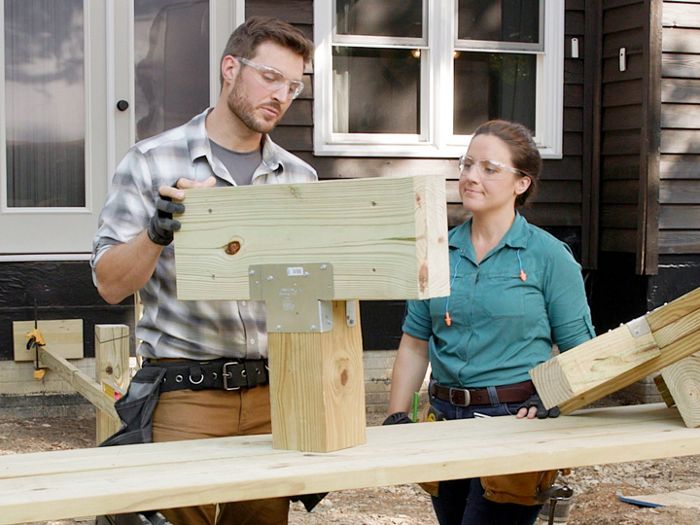
Two adults are working together on a construction project, assembling a wooden structure in an outdoor setting. The scene features unfinished lumber, metal brackets, and construction tools, with a house exterior and windows in the background. Both individuals are dressed in work attire, suggesting a hands-on building or carpentry activity. The overall mood is industrious and collaborative, with natural daylight illuminating the workspace.
Post to Beam

The term "post to beam" refers to a connection point where the beam attaches to the post. Typically, a metal bracket is used to make this attachment.
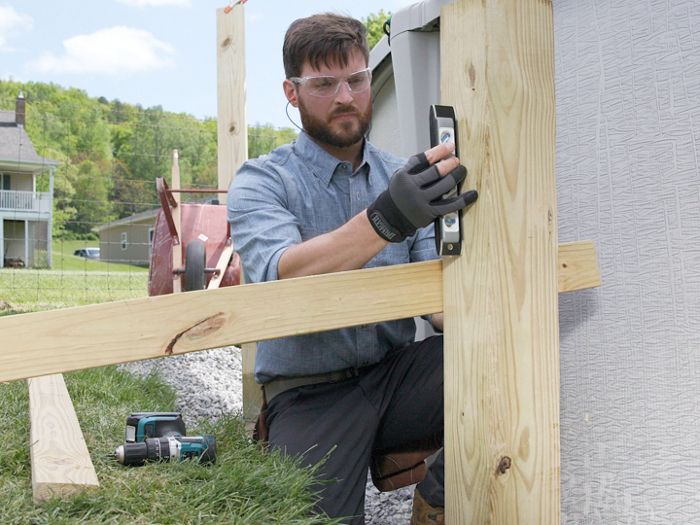
An adult male is working outdoors, using a level tool to ensure a wooden post is straight. The setting is a grassy yard near a house, with construction tools and materials visible. He is wearing gloves and casual work attire, and the scene suggests a DIY or home improvement project. Power tools and lumber are present, with a partially constructed structure in progress.
Posts

A post is the structural component of a deck between the footing and the beam that supports the deck.
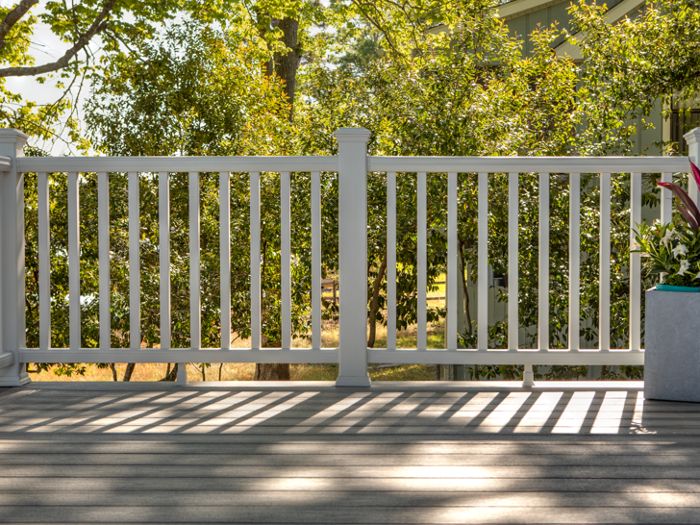
A spacious outdoor deck features a white vertical railing, casting distinct shadows on the wooden floor. The setting is bright and tranquil, surrounded by lush green trees in the background. A large rectangular planter with vibrant foliage sits to the right, adding a touch of color to the serene scene. The overall mood is peaceful and inviting, ideal for relaxation.
Railing

The term "railing" refers to a guard rail used to prevent people from falling from decks, stairs, and balconies of buildings.

This image shows a labeled diagram of a fence section with six main parts marked A through F. The illustration highlights the structural elements, including posts, rails, and pickets, in a neutral color palette. The background features a grid pattern, and each component is clearly identified with a green circle and white letter. No visible text or numbers other than the labels A, B, C, D, E, and F are present.
Railing Post

A railing post is the upright support that the deck rails attach to. See component D in the diagram.

This image shows a labeled diagram of a fence section with six main parts marked A through F. The illustration highlights the structural elements, including posts, rails, and pickets, in a neutral color palette. The background features a grid pattern, and each component is clearly identified with a green circle and white letter. No visible text or numbers other than the labels A, B, C, D, E, and F are present.
Rails

The term "rails" refers to the sections of guard rail mounted between the rail posts. See components A and E in the diagram.

The image features the words 'Trex Academy' prominently displayed in a clean, modern font. The text is centered on a plain white background, with 'Trex' in bold and 'Academy' in a lighter style. Trademark symbols are visible next to both words. No additional visuals or people are present.
Red Line

The term "red lines" refers to the corrections on a plan. These are typically writen in red and show the corrects required for the project to proceed.
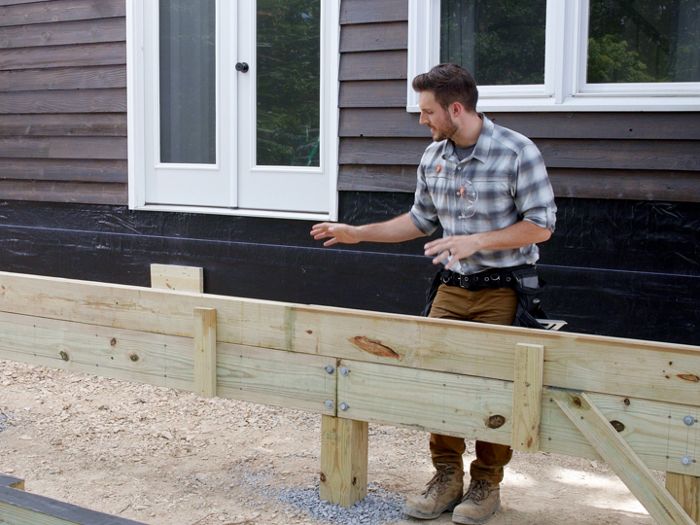
A man stands next to a partially constructed wooden deck frame in a backyard setting. The scene features unfinished timber beams supported by posts on gravel, adjacent to a dark wood-paneled house with white-framed windows and doors. The man appears to be working or inspecting the construction, dressed in work clothes and boots. The environment suggests a home improvement or carpentry project in progress.
Rim Joist

A joist is the length of timber or steel supporting part of the structure of a building, typically arranged in parallel series to support a floor or ceiling. See component H in the diagram.
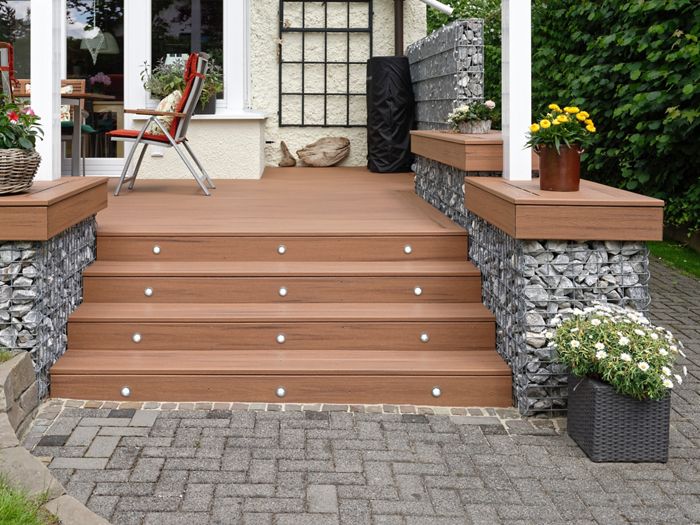
A contemporary outdoor patio features wide wooden steps with embedded lights, flanked by gabion stone walls. The setting includes a cozy seating area with a red chair and potted flowers, surrounded by lush greenery. The patio leads to a house with large windows, creating an inviting and stylish garden retreat. Decorative planters and a paved walkway enhance the visual appeal. No visible text or numeric values are present in the image.
Rise

The term "rise" refers to the height of a stair step.
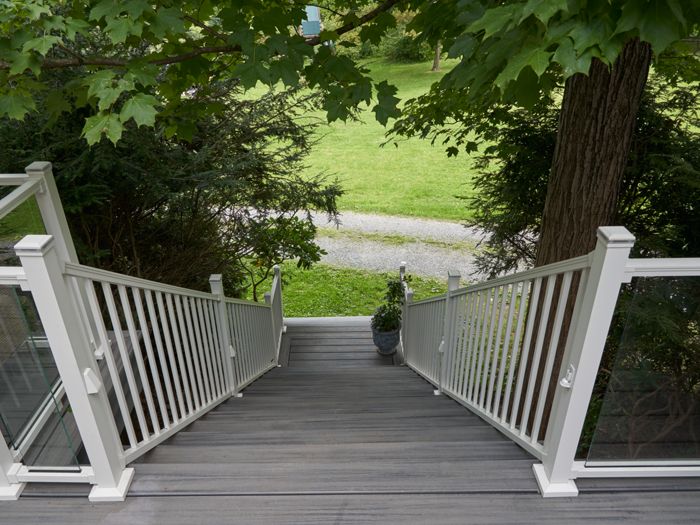
trn-evette-rios-influencer-003-im-sig-railing-alum-glass-wt-stairs.tif
Riser

The term "riser" refers to the vertical material between each step.
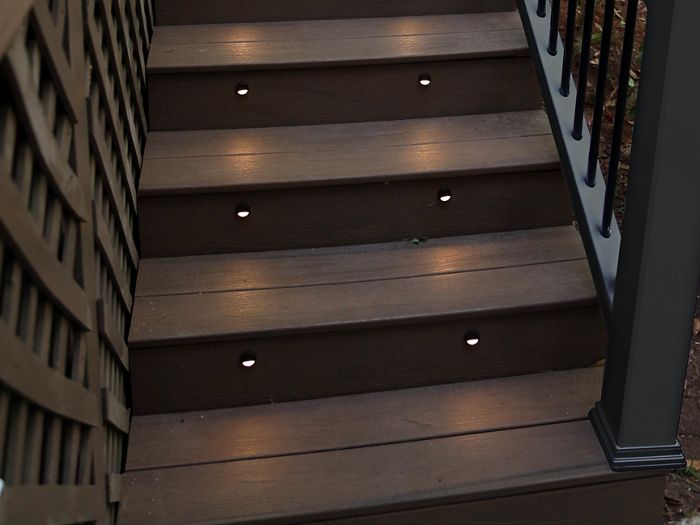
A set of dark wooden stairs with integrated small circular lights on each step leads up to a deck area. The staircase features black railings and is surrounded by lush greenery and trees, creating a natural outdoor setting. The lighting adds both safety and a modern visual accent to the steps.
Run

The term "run" refers to the width of a stair step.

The image features the words 'Trex Academy' prominently displayed in a clean, modern font. The text is centered on a plain white background, with 'Trex' in bold and 'Academy' in a lighter style. Trademark symbols are visible next to both words. No additional visuals or people are present.
Scale

The term "scale" refers to the ratio of the length in a drawing (or model) to the length on the real thing. Example: In the drawing anything with the size of "1" would have a size of "10" in the real world, so a measurement of 150mm on the drawing would be 1500mm on the real house.

Two adults are working together on the construction of a wooden deck frame. They are kneeling on the ground, using a yellow tape measure to check the distance between the beams. The setting appears to be a residential backyard next to a house with gray siding and white trim. The scene conveys a practical, hands-on mood with a neutral color palette and visible construction tools.
Span

The term "span" refers to the distance between 2 load-bearing points. Example: The joist spans between the house and the beam.
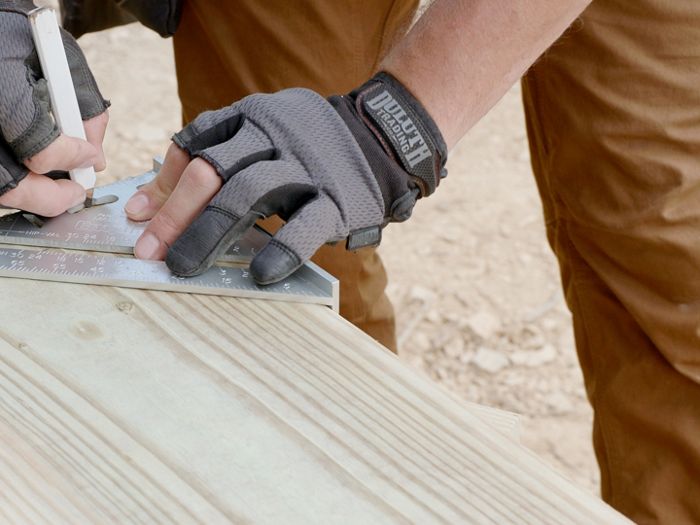
A person wearing protective gloves uses a metal square tool to mark measurements on a wooden plank. The scene takes place outdoors, likely at a construction or carpentry site, with sandy ground visible in the background. The individual is dressed in brown work pants and the gloves have visible text reading 'IMPACT'. The focus is on precision woodworking and craftsmanship.
Square

In measurement, a square refers to a device consisting of two straight edges set at right angles to each other. It is used by carpenters and machinists for checking the correctness of right angles, as a guide when drawing lines on materials before cutting, or for locating holes.

The term "square" can also be used to describe a project. For example, you may hear a contractor say "This deck frame is square" or "We need to square the edge of this deck board."
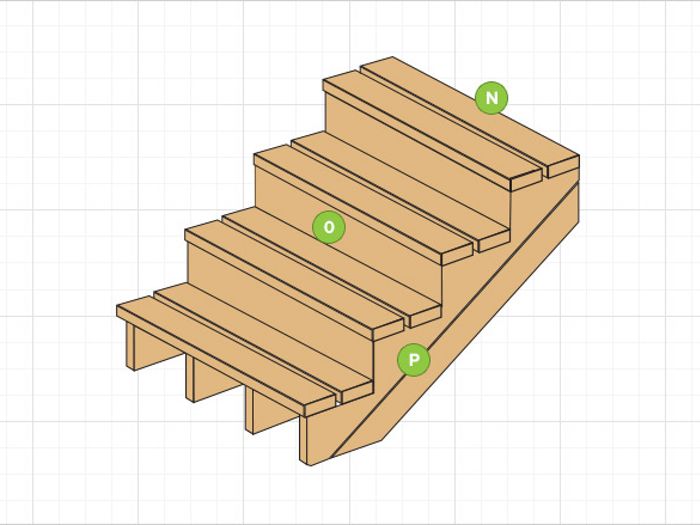
This image shows a diagram of a wooden staircase with three parts labeled as N, O, and P. The staircase is illustrated in a simple, technical style on a grid background, highlighting construction details. The labels are marked with green circles for easy identification of each stair component.
Stringers

Deck stringers are the support frame of stairs to which the risers and treads attach.
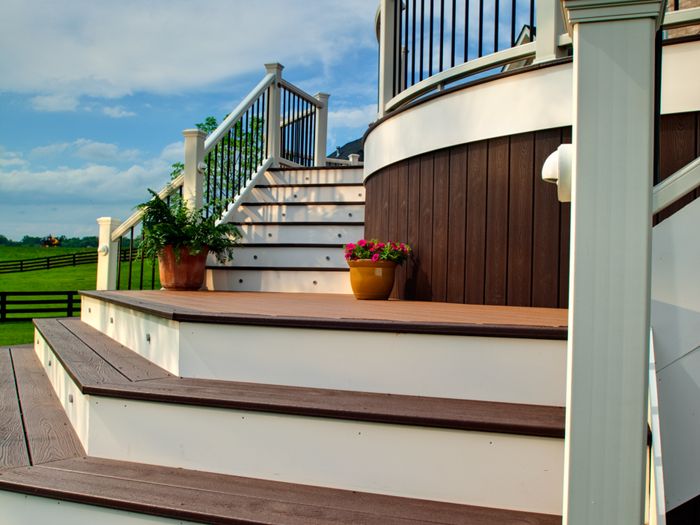
The image shows a set of outdoor deck stairs leading up to a raised patio area. The stairs feature white risers with dark brown treads and are bordered by white posts and railings with black balusters. Two potted plants add a touch of greenery and color to the steps, while the background reveals a grassy yard and a partly cloudy sky. The overall scene conveys a clean, inviting, and well-maintained outdoor living space.
Toe Kick

A toe kick is the front of a stair step.

This image shows a labeled diagram of a fence section with six main parts marked A through F. The illustration highlights the structural elements, including posts, rails, and pickets, in a neutral color palette. The background features a grid pattern, and each component is clearly identified with a green circle and white letter. No visible text or numbers other than the labels A, B, C, D, E, and F are present.
Top Rail

A top rail is the horizontal rail attached to the top of the balusters and between the posts. See component A in the diagram.
This image features a spiral staircase constructed from dark wood, viewed from above for a dramatic geometric effect. The staircase is complemented by a sleek black metal railing and a central supporting column. The wood grain and angular lines create a modern, visually striking pattern. No visible text, numbers, or logos are present in the image.
Tread

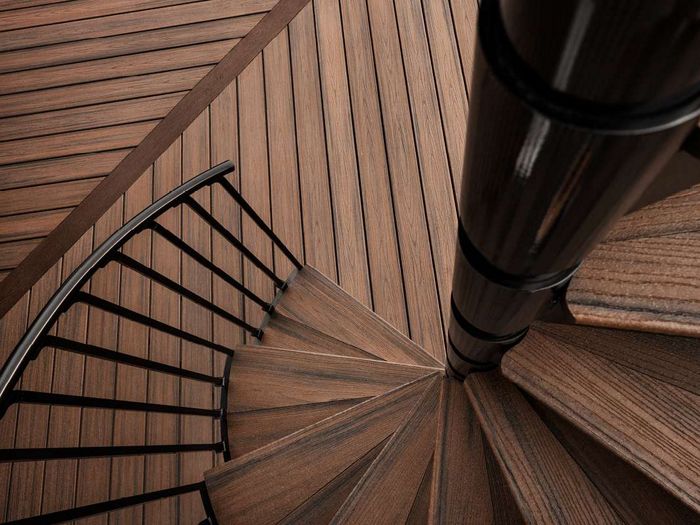
A stair tread is the step of a stair.

Unable to Add to Cart

You may order up to 4 free samples. To adjust your selections, remove what you do not need and then add your new choices.